
Redondo Brand Spring/Summer 2027
“Adoro lo insólito, lo fuera de serie, lo extravagante, lo fabuloso. ¡Tener lo que nadie tiene!”
— María Félix.
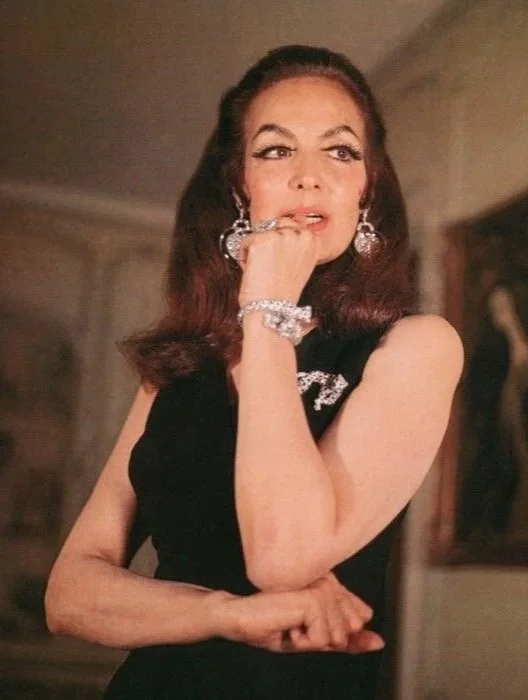
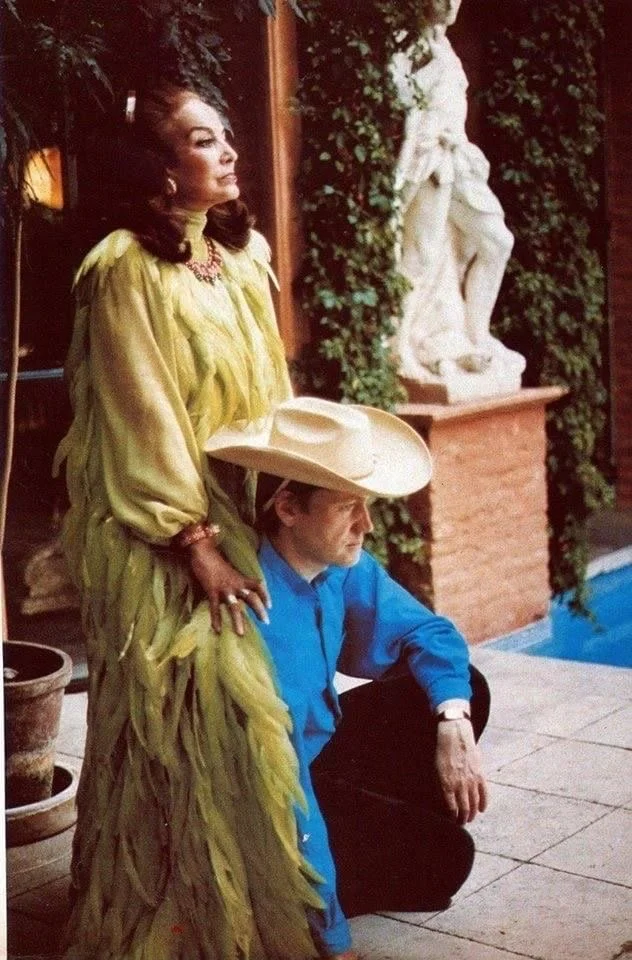
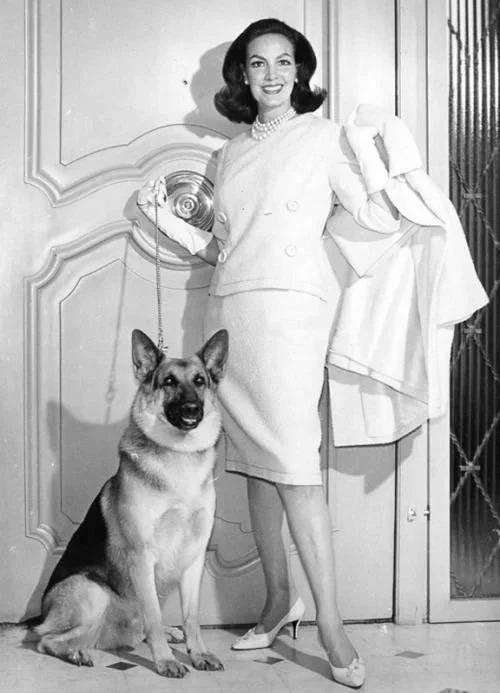
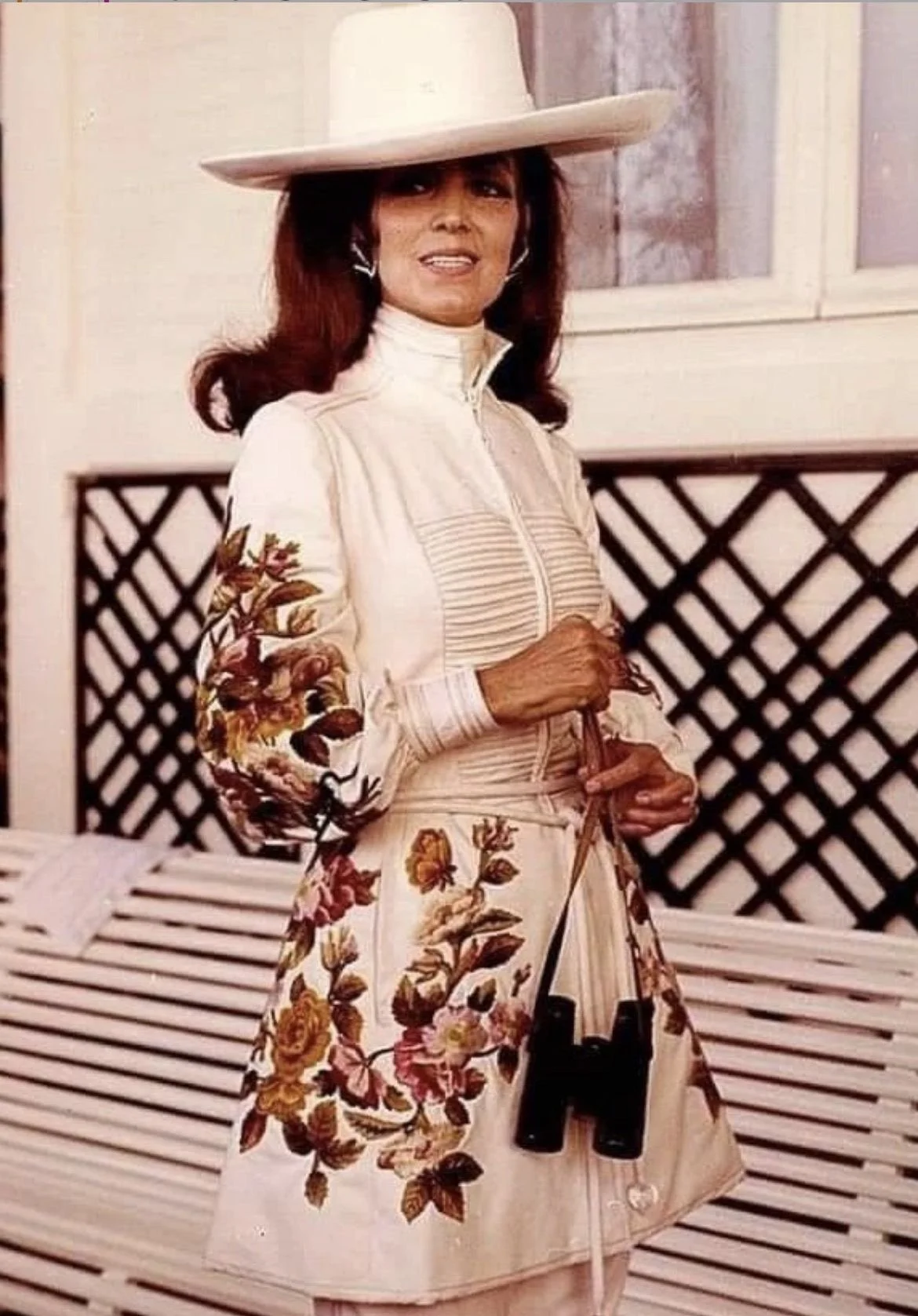
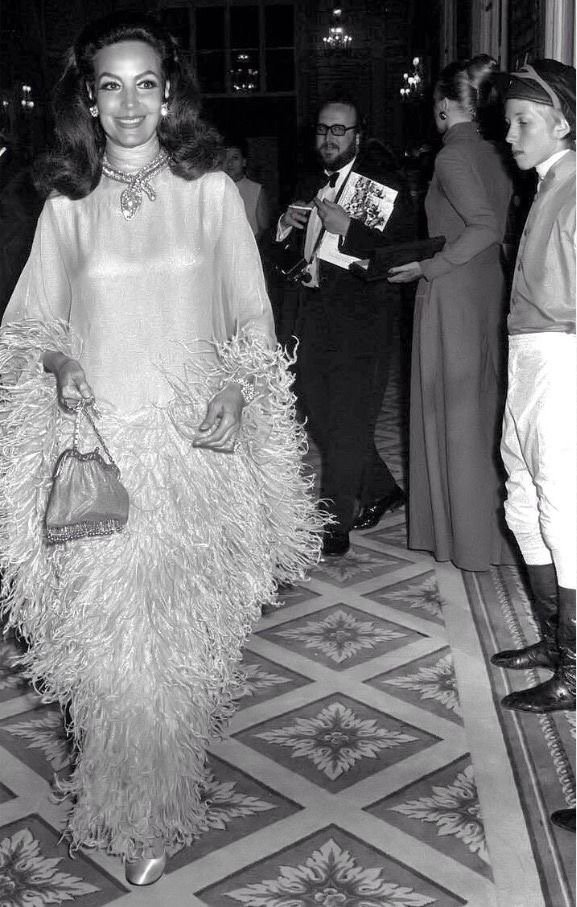
The challenge in designing a collection around a woman like María Félix might be that she left almost too much material behind.
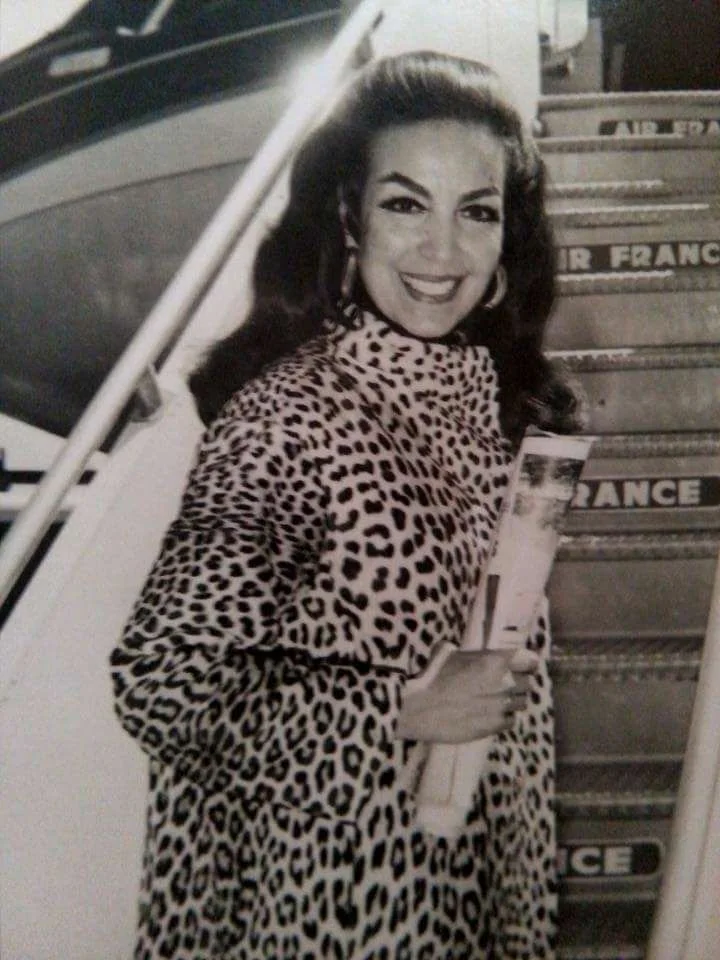
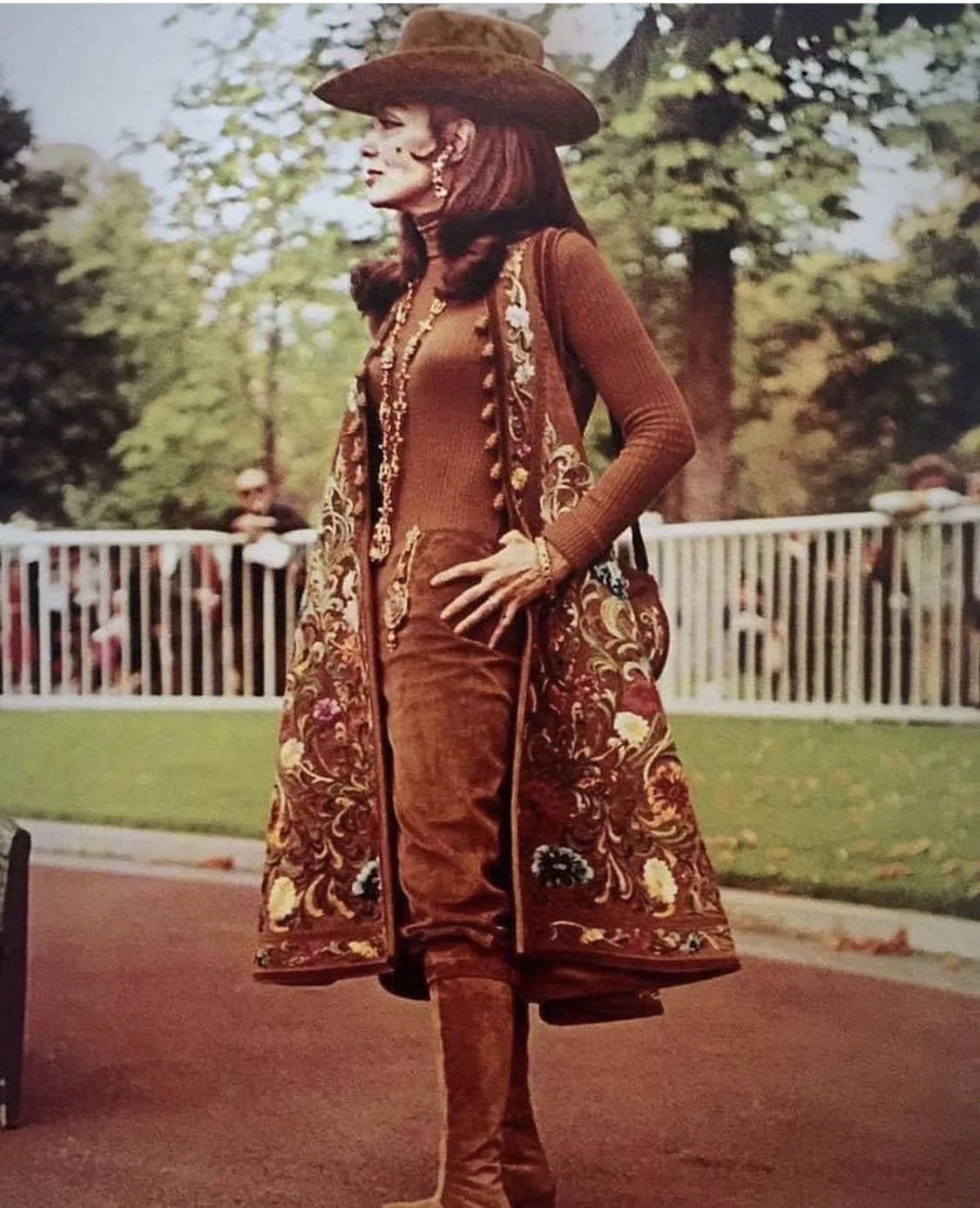
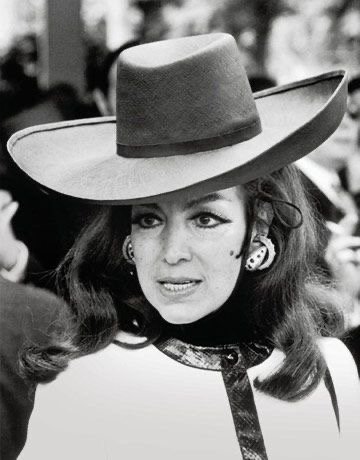
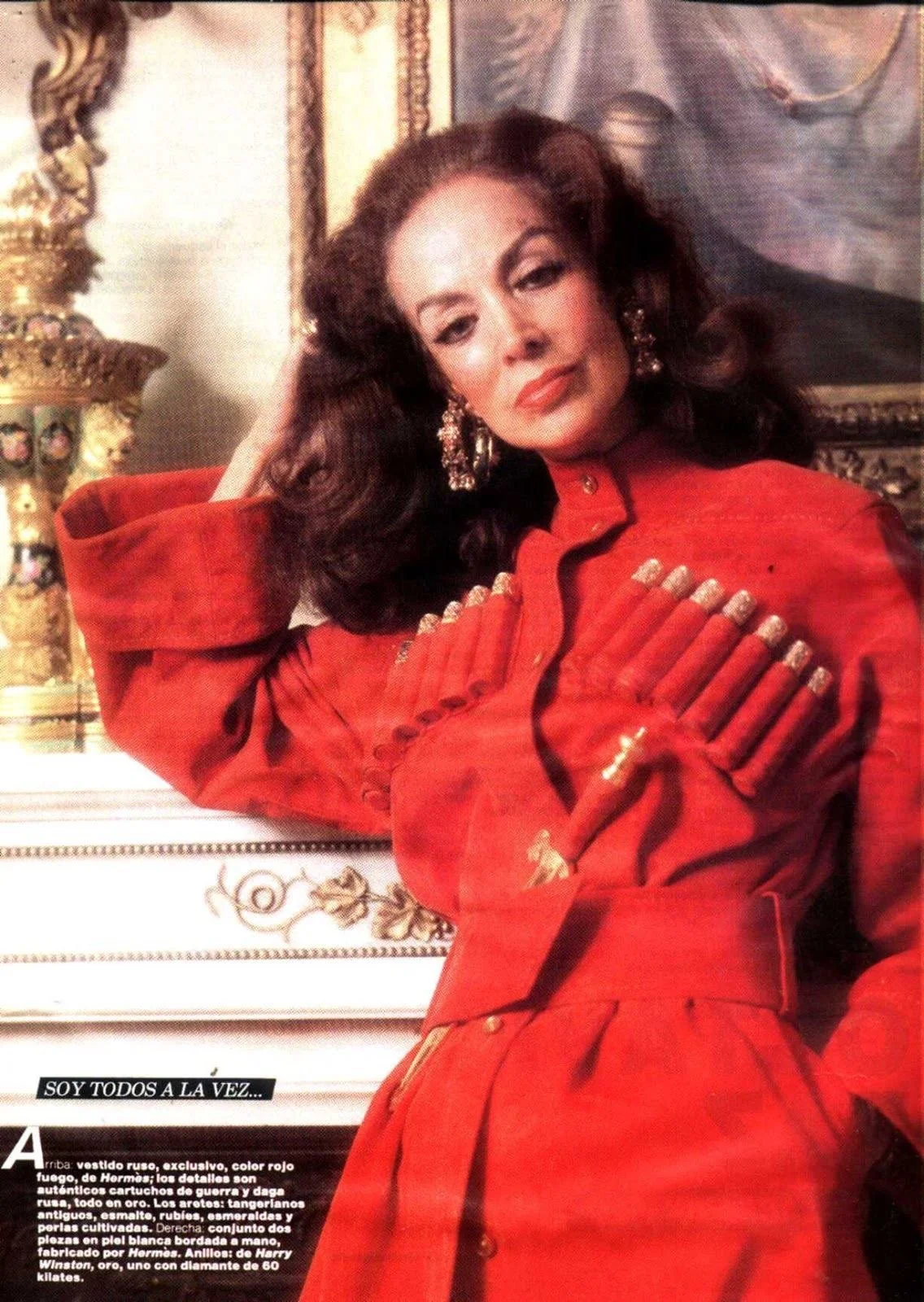
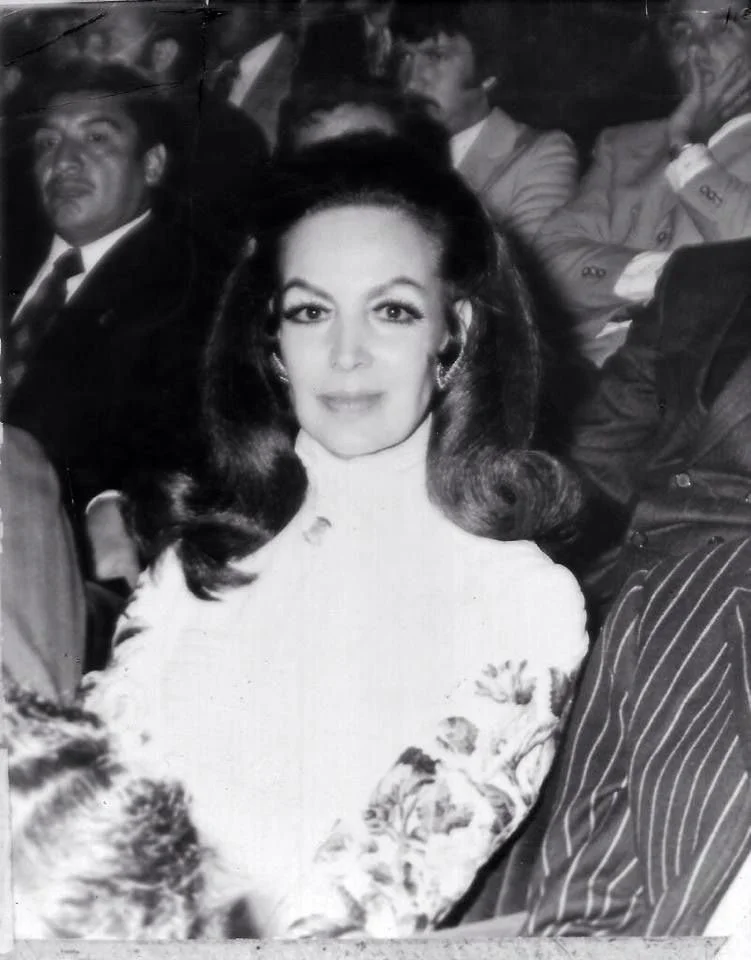
Her wardrobe included Balenciaga, Saint Laurent, and a particularly close relationship with Dior. She altered garments herself, invented others, and could turn things not intended as clothes into clothes. Vogue found at least eighty pairs of white trousers and more than three hundred cashmere turtlenecks among her possessions. And let’s not even get to her love affair with jewels. An articulated Cartier serpent paved with 2,473 diamonds; later, the famous two-crocodile multipurpose necklace in gold, diamonds, emeralds and rubies.
That is why Jorge Redondo’s La Doña becomes interesting precisely when it stops trying to look like María Félix.
Through the fabrics and design of the collection, one can see the excess was certainly there. Mexico entered through craft and colour; Paris through polish and the setting’s romance. Mariachis ensured the vision was amplified beyond sight. Good, but iconography is the easy part. The clothes had a harder job: translating an old idea of female grandeur without making the woman wearing them look like a costume.
That worked surprisingly well.
Wide trousers appeared alongside corsetry. Straight tailoring cut through organza. Minis interrupted the expected floor-sweeping socialite silhouette. Plissé put air into clothes that could otherwise have become heavy. Transparency exposed the body without making the woman appear vulnerable. Jorge did not modernise doñismo by making it subtle or restrained.
How boring that would’ve been.
More convincing was the exchange between explicit and implicit homage.
The Quintana dress, with a narrow, disciplined torso, strong shoulder, and flared cuffs, was unmistakably closer to María's vocabulary. So was the Felisa shirt: fitted through the waist, sharpened at the shoulder, its asymmetric plissé climbing toward the neck before the sleeves finished in bows. María repeatedly used collars, cuffs, bows, and structured tops to make the upper body look commanding. The reference can be read without requiring an archive photograph beside it.
Look 41, called the Michoacán dress, was a blue gown that approached her from somewhere softer. An off-the-shoulder corseted bodice gave way to a huge pleated skirt articulated by darker horizontal bands. Romantic, yes, fragile, no. The body remained disciplined above while the volume escaped beneath it. It reminded me less of the imperious late-life style of La Doña than the younger María—the glamour and beauty still doing the talking before reputation had learned to do it for her.
Then there is the Mérida skirt.
A glossy red charol pencil skirt should belong almost completely to the present: tight, reflective, and considerably younger than the grand-dame wardrobe from which the collection takes its source of inspiration. Then the hem ends in hanging red ornaments resembling the passementerie of old curtains—the decorative tassels and trimmings of interiors built to announce wealth just as one steps into the room.
That combination is clever.
Something almost baroque is dangling underneath something almost fetishistic. That is a much more interesting way of updating an old social code than simply shortening the skirt.
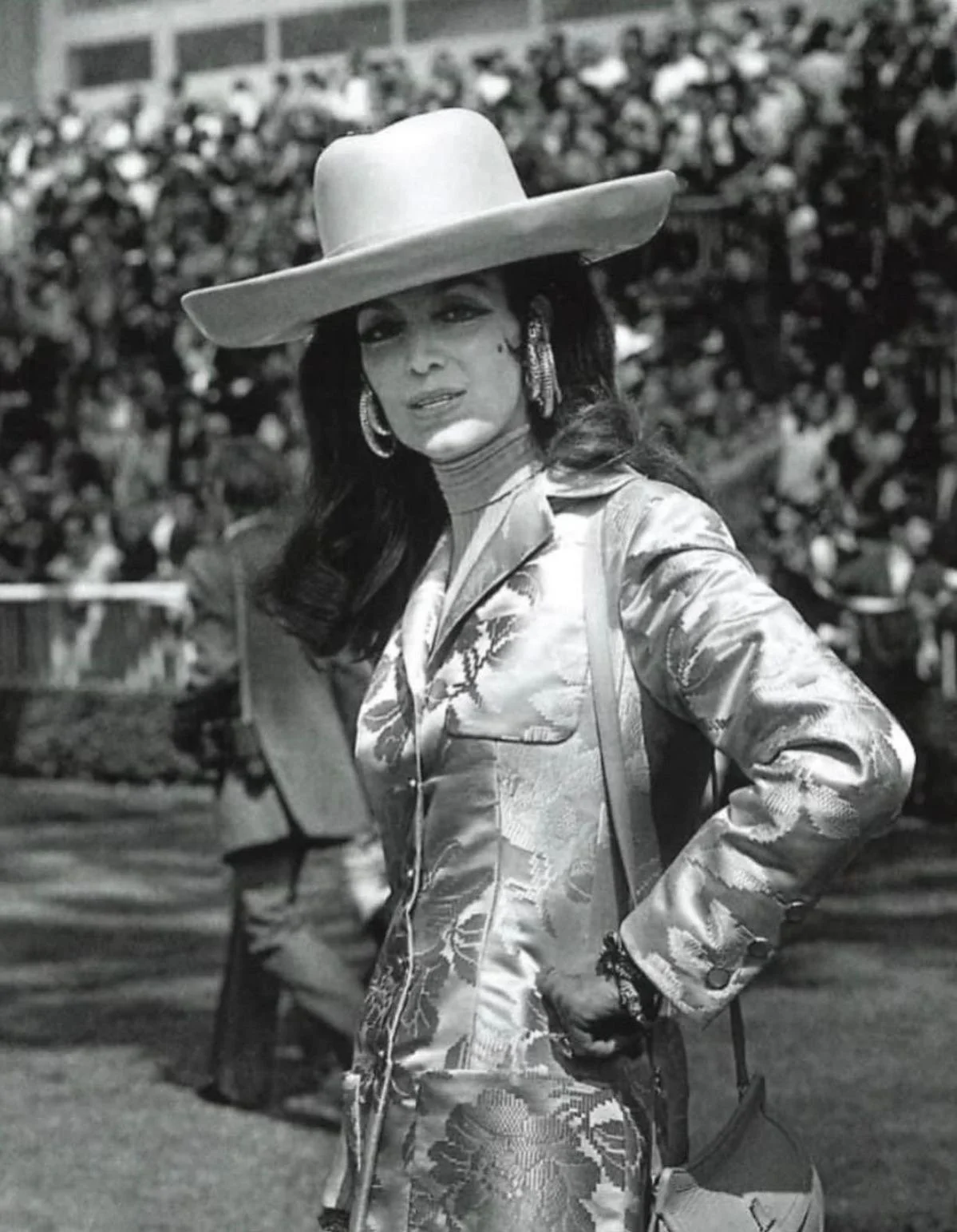
Look 51 made another proposition through white tailoring. A fitted asymmetric jacket, floral buttons, a subtly gridded skirt and an enormous feathered headpiece under netting. María certainly understood the authority of a hat, although hers were generally less fantastical. The result is feminine without becoming girlish. Señorial without looking old. And it made me think beyond María.
There is something of the old socialite archetype here—the woman for whom dressing was partly the maintenance of a public character. Truman Capote’s Swans belonged to a different conversation, but the moral of the story is the same: clothing as social power. The red ball gown of look 48 understood that instinct.
A strapless, controlled bodice opened into enormous red taffeta volume, with flowers made from the same cloth gathering densely around the hips before dispersing across the skirt, creating a “loves me, loves me not” effect. Nothing about it was casual. It was glamorous in the older and more serious meaning of the word. The flowers mattered because they disturbed its otherwise classical ball-gown design. Some crowded the waist; others appeared to fall away from it, as though the dress had begun shedding its own garden while walking.
That is real glamour.
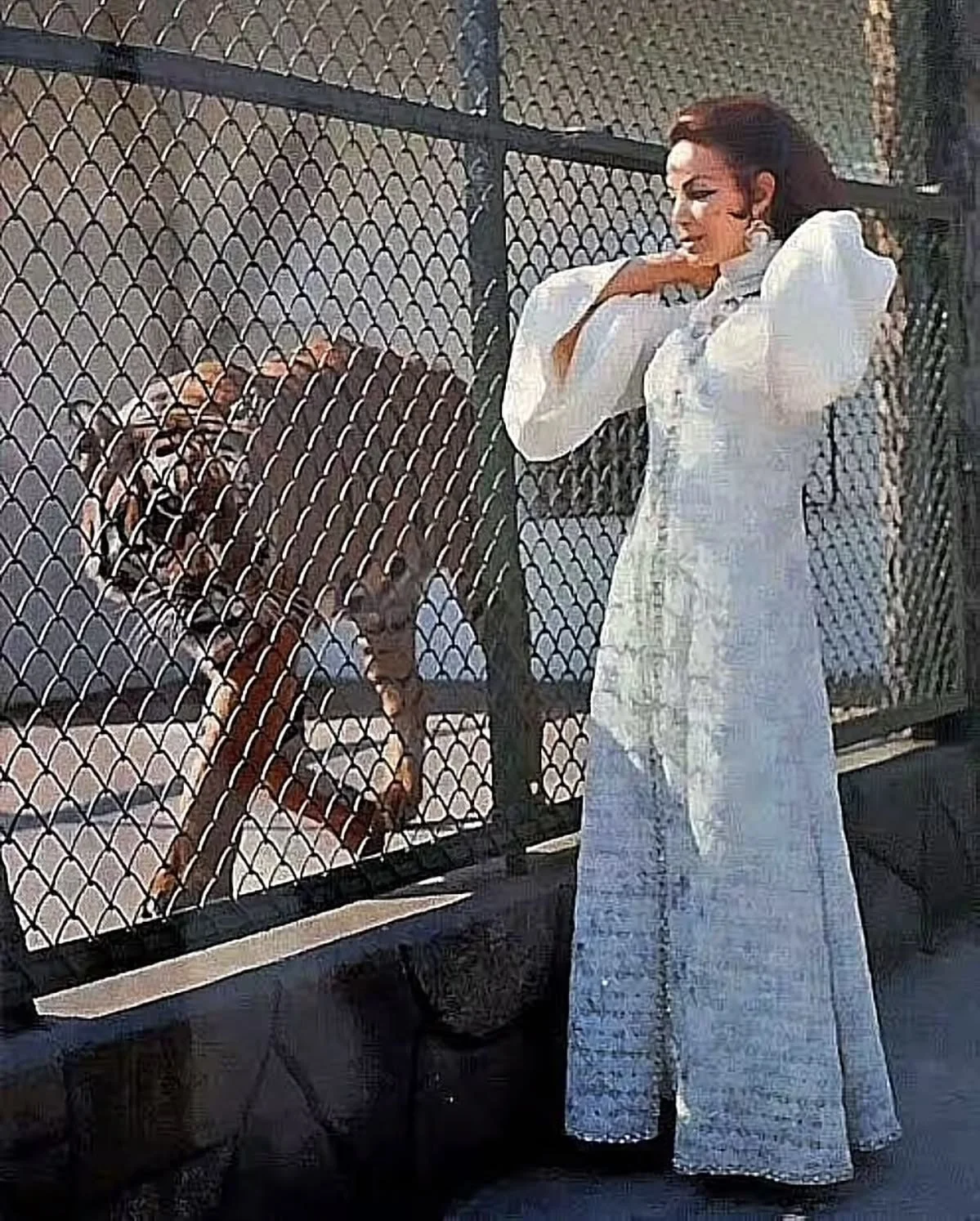
Even the animal print—almost unprecedented for Redondo Brand—made sense as a disturbance inside a house already fluent in polished occasionwear. I liked it considerably more as a new Redondo code than as a María Félix reference. Her late husband Alex Berger used to privately call her “puma”. The print chosen by the brand was leopard…
Good job.
The references to her relationship with animals were therefore strongest when they remained suggestion rather than obvious illustration.
The plissé dresses were good. Jorge himself singled them out because of the hours of manual work behind them. Handwork alone, however, does not make a garment important. Fashion is full of extremely laborious bad ideas. Here, pleating created density without dead weight; volume arrived through repetition rather than padding. The surfaces changed with every step. What looked controlled while standing began vibrating once the models moved, which meant the technique was not sitting on the garment waiting to be admired. It was participating in the body wearing it.
That is craft doing its job.
And this is where María becomes useful again. Her wardrobe suggests someone sensitive to workmanship: embroidery, textiles, unusual objects, alterations, things made specifically because the existing version was insufficient. Jorge did not need to recreate her Dior to access that part of her.
He only needed to take craft seriously.
The four bridal looks were more literal. Four brides for four marriages.
Obvious? Yes.
Also rather funny.
More consequential is what the collection does for the brand itself.
The house is no longer merely an atelier built around exceptional occasion dresses. Ready-to-wear represented about 80% of its business in the latest figures reported by Modaes, against roughly 20% for made-to-measure; the company has also been deliberately developing Casual, while Mexico and the United States have become important markets for its online ready-to-wear. It now has five Spanish points of sale, and this May tested New York physically with a Bowery pop-up.
That makes one decision in La Doña particularly important: every runway piece was made available for sale immediately afterward, with Costura being commercialised this way for the first time. Suddenly the collection’s central contradiction becomes useful…
How do you sell “tener lo que nadie tiene” to many people? Perhaps by selling different quantities of the same attitude.
The woman buying the Mérida skirt does not need the Sinaloa dress. The bride does not need the Felisa shirt. The Costura client does not need the casual line. Maybe she’s not even interested in it, but each product has to make her recognise some version of the same woman. That is considerably harder than just placing María Félix’s face on a moodboard.
And the clothes mostly managed it.
The house has now been rewarded for doing so: La Doña received the Mercedes-Benz Award for Best Collection of the Spring/Summer 2027 edition, chosen by an industry jury among the established houses participating in the week.
I can see why.
Lately I have been thinking about how much fashion seems to be looking at the past, how nostalgic the industry feels.
We keep returning to women like María, to the swans, to the socialites, to actual models, to wardrobes built around grand entrances, dinners, and the delight of being seen whilst looking absolutely fabulous. Part of the fascination, I suspect, comes from absence. We romanticise these archetypes because modern culture produces few to no women quite like them.
Doñismo has faded. The Swan has faded. Even the socialite, in the old sense of the word, has largely been replaced by something more accessible, more exposed and considerably less seductive.
Fashion suffers that loss.
La Doña does not solve it by pretending women like that can be manufactured again. What Jorge proposed is more interesting: what if the archetype survives even when the society that created her does not? The red charol skirt, the disciplined Felisa shirt, the enormous blue pleats, the clean white tailoring, the red taffeta flowers—none require the woman wearing them to be like María Félix. They require her only to understand and appreciate the pleasure of constructing presence.
Perhaps that is what survives from the grand-dame and the swans after their disappearance.
The instinct to enter a room as though being ordinary repulses you.
And maybe La Doña is Jorge’s answer to an extinction that fashion has been mourning for years.
WRITTEN BY FREDDY ESPINAL